Backyard Resolutions: How Americans Are Growing Food, Protecting Space, and Building Resilience
Survey findings reveal how backyard food growing supports savings, surplus sharing, and everyday resilience.
In the United States, the average piece of produce travels 1,500 miles between the farm and your plate. Many Americans are tired of feeling disconnected from their food and are looking for new ways to be self-sustaining. Enter homesteading: a hobby that encourages everyday Americans to grow their own food in gardens, raise their own livestock, and essentially live off the land.
People are turning to Reddit and other social platforms to discuss their homesteading plans, but the real question is: are they all talk? Or is homesteading revolutionizing the way America looks at and grows food? By surveying over 1,000 participants and utilizing Google Trends data, we wanted to dig up this not-so-underground movement to understand if Americans are actually taking part, and if they are, what that participation looks like. The results? More Americans are turning to their backyards for outdoor projects, no matter how small the space or how daunting the challenges.
Key Takeaways
Food-growing is becoming mainstream, with 87% of Americans planning backyard projects in 2026, including 89% of Gen X, 84% of millennials, 86% of baby boomers, and 80% of Gen Z.
Rising grocery prices are the top motivator for 61% of Americans prioritizing their outdoor space, including 61% of Gen Z, 69% of Gen X, and 58% of millennials.
Climate change is driving action, with 63% of Americans planning to grow more food because of extreme weather, including 62% of Gen Z, 65% of millennials, 54% of Gen X, and 58% of boomers.
Water issues are reshaping gardening, with 40% reducing watering, 26% switching to drought-tolerant plants, and 24% collecting or reusing water.
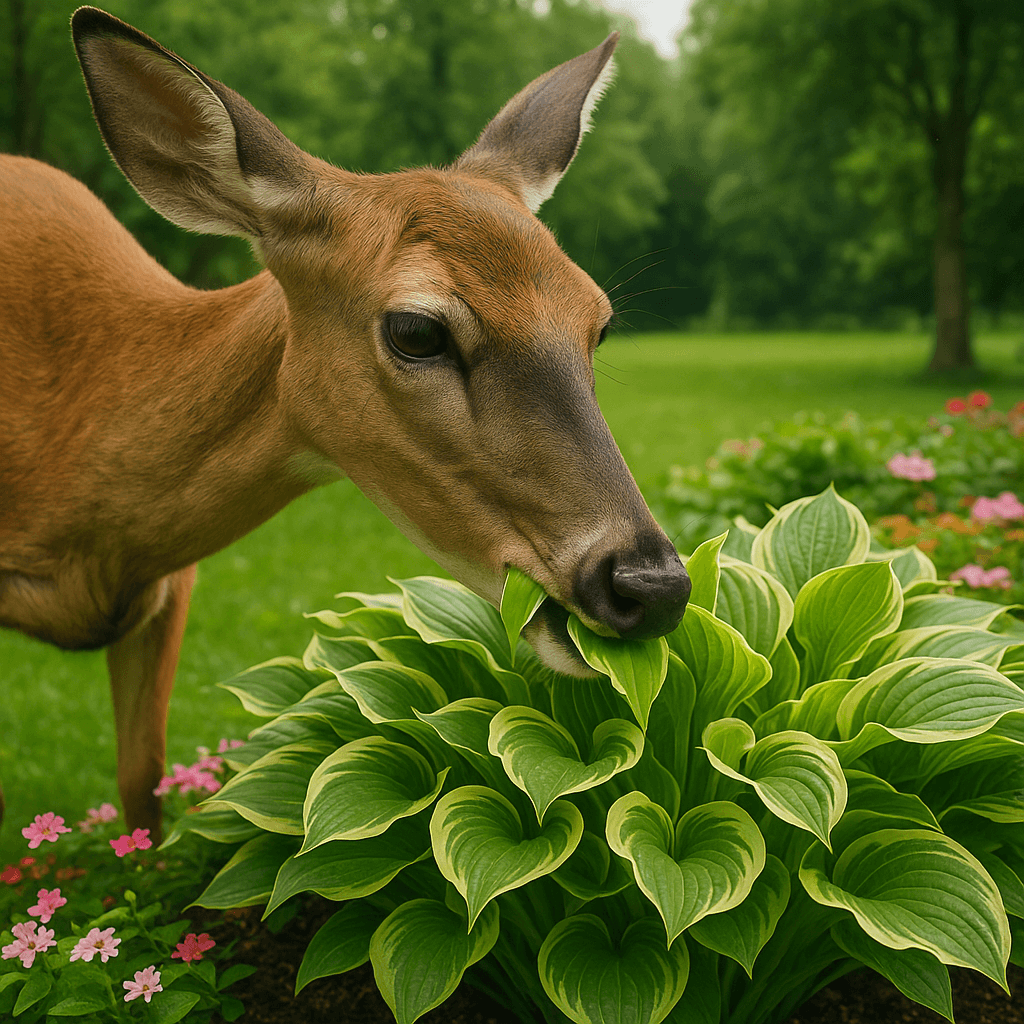
Wildlife and weather damage are widespread, with 39% experiencing insect or pest damage, 39% losing crops to weather, 32% hit by birds, 29% by rabbits, and 20% by deer, driving 49% to plan fencing or barriers in 2026.
Alaska, Vermont, West Virginia, Montana, Wyoming, and Rhode Island show the highest national interest in intensive food-growing methods like greenhouse gardening, herb gardening, and raised-bed gardening.
Egg-flation reshaped behaviors, with 17% of Americans starting or planning to start backyard chicken-raising, including 17% of Gen Z who already began and 23% of Gen Z who plan to get chickens soon.
Homegrown food is viewed as a real savings tool: 57% say growing food saves them money, and 39% expect their outdoor projects to pay for themselves within two years.
Extra food is becoming a community asset, with 67% sharing with family or friends, 46% sharing with neighbors, 35% donating to people in need, and 34% preserving food to extend its life.
Americans are building micro-economies around their backyards, with 28% of Gen Z and 12% of all adults planning to barter or trade homegrown food in 2026.
Americans Are Turning Their Backyards Into Food-Growing Hubs
The average American works a full forty-hour week, but wants more than just a paycheck for their labor. That’s why many are finding ways to provide for themselves off the clock. Namely, many of our participants found the best fruits of their labors were precisely that — food they can eat and enjoy.
According to the survey results, 86% of Americans planned to grow vegetables in 2026, while 55% planned to grow fruits in 2026. These weren’t the only homesteading projects Americans were interested in. Other projects were highly popular, including:
Growing an herb garden (48%)
Building raised garden beds (29%)
Expanding their outdoor living space (24%)
Installing fencing (23%)
Raising chickens or small animals (17%)
Creating pollinator-friendly spaces (18%)
For most projects, such as building raised beds, composting, animal husbandry, growing fruits, and general landscaping, Gen Z showed the most interest. On the other hand, Gen X was the most interested in growing vegetables. Gen Z may be digital-first, but they’re not afraid of hands-on work. Many actually want to get their hands dirty.
What’s Driving Americans to Grow More of Their Own Food
With the rise in the popularity of homesteading, it’s only natural to look to the many causes. What we found was that people don’t just want to grow their own food: they feel like they need to. With disrupted supply chains, tariffs, and even viruses like Avian flu impacting the average cost of bare essentials, many Americans feel the only way to save is to garden. By shopping in their own backyard, they can stay within their own budget and avoid the grocery store and any associated high costs.
For instance, more than any other reason, the survey participants felt financially obligated to grow their own food, with 61% citing rising grocery prices as their motivator. Even if the study participants could afford the average price of groceries, many don’t feel like they can rely on a steady stream of food from their local grocers or grocery chains due to the aforementioned supply chain issues. In fact, supply chain concerns were the leading motivator for gardening, with 82% of Americans citing it as a significant influence.
In a similar vein, we can also trace the growth in homesteading to a growing distrust of large food companies and institutions that regulate food safety. Nearly half (41%) said food safety was one of their biggest priorities, especially after seeing headlines of food contamination and recalls. Even if they weren’t concerned about food safety, many felt that growing their own food could expose themselves to a “cleaner” diet, with 33% saying they wanted to avoid ultra-processed foods.
Climate change was also another significant influence, with 29% saying it made them more motivated to integrate sustainable habits into their daily lives. After all, by growing your own food in your backyard, you don’t have to worry about its carbon footprint since it won’t have to travel thousands of miles to get to your table. With climate change impacting nearly every aspect of our environment across the globe, this was a significant motivator for younger generations, with 35% of Gen Z citing it as a reason why they want to garden.
However, it wasn’t just daunting global events that motivated homesteaders to jump into the practice. In fact, for many, the choice was personal, and many study participants found benefits, such as:
Feeling more relaxed and in control (56%)
Becoming more self-reliant (44%)
Finding an escape from tense situations (27%)
Unplugging from screens (27%)
Finding inspiration from online DIY content (24%)
Connecting with neighbors or their larger community (14%)
While homesteading and gardening stood to benefit every generation, with 52% feeling gratitude for their outdoor space, some generations appreciated their outdoor hobbies more than others. Both baby boomers (52%) and Generation Z (40%) were among the top enthusiasts. However, both generations differed based on why they appreciated gardening. For baby boomers, gardening and homesteading were stable exercises they could rely on. For Generation Z, these activities were an escape. Despite being at both ends of the generational spectrum, Zoomers and boomers both want to spend more time outdoors. For boomers, gardening is a way to remember their simpler childhoods; for zoomers, it’s a way to escape their overstimulating digital world.
Economic Strain Is Reshaping How Americans Approach Outdoor Projects
While many Americans feel compelled to grow their own food due to rising grocery prices, starting a garden overnight isn’t always cheap. For instance, starting a garden can easily cost thousands of dollars. Because of the high cost of gardening, our study found that it could be a litmus test for the state of the economy.
A majority of Americans (71%) said their gardening project was impacted in some way by financial stress, economic pressure, or job instability.
As a result, many had to re-evaluate their projects, with 24% prioritizing essentials over their projects, 23% scaling back their projects, 20% temporarily pausing their projects, and even 16% canceling their projects outright. These actions were notably the most common among millennials and Gen Z. As the youngest generation, Gen Z has the smallest slice of wealth; they’re the least likely generation to have extra money for gardening projects.
The Highest Yielding Outdoor Projects
Despite the high cost of starting a garden, our survey found most respondents saw that gardening had high-yielding results. Most of the time, it helped them save money and give back to the community. However, some gardening projects were more fruitful than others.
Out of any of the outdoor projects, American participants found the most savings with vegetables — 76% reported grocery savings in 2025 and 85% expect to save in 2026. A majority of the respondents reported saving up to $500 in 2025.
Following close behind are growing herbs, with 66% reported saving money in 2025 and 71% hoping to save in 2026.
In addition, respondents reported savings for the following crops and projects:
Fruit: Growing fruit had moderate returns. Over 61% reported savings in 2025, with a majority of respondents saving up to $50. Still, 66% of respondents hoped to save in 2026.
Eggs: Eggs show lower overall savings participation, with 42% reporting savings in 2025 and 46% expecting savings in 2026. That said, those who plan to save in 2026 expect a high return, with up to $250 in savings.
Meat: Meat remains the most financially uncertain category, with 37% reporting savings in 2025 and 39% expecting savings in 2026. Similar to eggs, those who invest in meat can save up $250.
Ultimately, no matter what project you invest in, you can expect some kind of savings.
Americans Are Becoming More Protective of Their Outdoor Spaces
With so much financial investment on the line for many American gardeners and homesteading hobbyists, it’s only natural for many to feel protective of their property against intruders, both of the human and animal variety.
For a majority of the survey participants (84%), protective measures were a priority. The primary motivator was financial pressures, making 71% of Americans more cautious about theft and break-ins.
The protective measures varied, but the most popular by far were installing things like netting (39%), fencing (36%), raised beds (30%), cameras (29%), or motion detection lights (19%). Most of these methods, particularly netting and fencing, are proven to prevent animals like deer, elk, and pests.
While firearms do receive plenty of media attention as a home protection tactic, Americans were less likely to turn to them, with only 11% of Americans purchasing a legal firearm. However, Gen Z was the most likely out of any generation to seek out this tactic.
If these protection measures failed, American gardeners were still prepared to take extra action to protect their space, with 40% willing to scare away the intruder. This indicates that many Americans are willing to do more than necessary to protect their property, especially when their money is on the line.
Americans Regret Putting Off Outdoor Projects in 2025
Even though many Americans had to delay or cancel outdoor projects entirely due to lack of funds or full workloads in 2025, many didn’t do so mindlessly. In fact, for many Americans, it remains a regret.
An overwhelming 82% of Americans stated they regret pushing off outdoor projects in 2025, with millennials and Gen Z being the most likely to experience this guilt. On the other hand, 70% of baby boomers were less likely to feel regret.
Of the outdoor projects that people regret pushing off the most, vegetable and herb gardens ranked the highest, with 39% stating they regret not starting one. Other projects that Americans feel guilty about not starting in 2025 include:
Planting fruit trees (30%)
Building raised beds (26%)
Expanding garden space (25%)
Composting (23%)
Improving drainage or weather protection (26%)
Creating shaded outdoor spaces (17%)
No matter what the project was, however, most Americans saw the value in all of them, and either saw consequences by not doing them in 2025.
Where Gardening Is Booming Most: The States Leading America’s 2026 Backyard Growing Movement
What we found the most in the survey was that homesteading and outdoor projects weren’t necessarily a regional activity. Across the country, countless Americans undertake outdoor projects every year. The regional differences we did notice, though, were the type of projects different areas of the country would practice.
For example, most states were interested in composting, with exceptionally high concentrations in Alaska, Hawaii, West Virginia, and most of the Midwest and Mountain West. However, we could see when weather and climate differences could affect gardening projects. For example, greenhouse and cold-frame gardening projects were more popular in states with short, harsh, or highly variable growing seasons, like the Dakotas, Rhode Island, Wyoming, Montana, and New England. On the other end of the climate spectrum, growing fruit trees was more popular in warmer climates, such as California, Florida, Texas, Louisiana, and Hawaii. These environments are able to support perennial food crops like orange trees.
For sustainability projects like planting native plants and pollinator gardens, Midwestern states like Michigan, Pennsylvania, and Minnesota showed the highest interest. It turns out, Midwestern Americans were bigger stewards and advocates for conservation compared to other regions.
Overall, though, gardening in general was the most popular in smaller, colder, and more isolated states like Wyoming, Hawaii, Rhode Island, Montana, and Delaware. Based on this data, we can see that gardening is a widespread interest from sea to shining sea.
How Much Food Americans Expect to Grow — and How Soon They Expect Results
Any gardener can tell you a story from their first hopeful harvest, going to dig up a root vegetable like a potato or a carrot, and finding the smallest type of produce they’ve ever seen. It’s a big fear for new gardening hobbyists. However, with plenty of gardening tips online, more and more homesteaders are growing higher amounts of food, replacing their reliance on grocery stores.
A majority of our respondents said they expect they’ll be able to grow up to a quarter of their household food. This belief was strongest among older generations, with 45% of Gen X and 47% of baby boomers looking optimistically toward the 2026 growing season. On the other hand, younger generations were more likely to have a pessimistic view, with 21% of Gen Z expecting to wait more than 3 years to see a return on their investment compared to only 5% of baby boomers who held the same belief.
That said, those who grew a majority of their own food were often younger generations. Those who grew more than 50% of their household’s food comprised 16% of Gen Z and 14% of millennials. This dichotomy between gardening pessimism and actual gardening results indicates that younger generations may not fully understand the potential of their gardening skills and abilities.
How Americans Plan to Use, Share & Save From Their Homegrown Food in 2026
With so much food lying around in the average gardener’s or homesteader’s household, many had to turn to alternative methods to avoid letting food go to waste. As opposed to the national food waste problem, many found creative solutions that supported their other hobbies, their entrepreneurial spirit, their families, and even their communities.
Most gardeners (69%) plan to share any food they grow with friends and family, indicating that gardening isn’t just an individual pursuit; it’s a familial one. Similarly, nearly half of the respondents (49%) planned to share the fruits of their labor with neighbors, and another 33% planned to give extras to people in need or local community organizations. These data points indicate that gardening can be the cornerstone of connection and community support.
Many gardeners also had plans to support other hobbies, like canning. A third (33%) planned to use any surplus food they grew for canning, freezing, or fermenting that they could utilize later in the year, extending the value of their crops. On the other hand, only a small minority (15%) planned to sell their crops via online apps or farmers' marketplaces. Gardeners seem to have a more charitable spirit when it comes to lucky harvest seasons.
Backyard Food Growing as a Practical Form of Resilience
More than anything, this survey indicates that for many Americans, homesteading came about from necessity. In response to economic pressures, climate uncertainty, and supply chain instability, more Americans have found security in their backyards.
Simultaneously, more Americans are finding that while they may have started gardening due to individual goals, it can quickly turn into a way to strengthen the community. Meanwhile, many gardeners have enough surplus to preserve food and plan to do so, indicating that gardening is a long-term plan, not a short-term one.
While gardening may seem simple, many Americans found that their gardens served multiple purposes: saving money, reducing risk, and strengthening local connections. Because of these benefits, we can expect more Americans to look to their backyards in 2026. As long as people can find growth in the soil, gardening will always be an American pastime.
Methodology
We surveyed 1,000 U.S. adults with access to outdoor space who either currently grow food or plan to begin growing food within the following year. We also used Google Trends data for interest in standard backyard gardening methods from December 2024 to December 2025. From here, we stratified the data and segmented it by age and gender.
About DeerBusters
DeerBusters offers protective solutions for gardeners, homesteaders, and homeowners who want to keep their backyard and gardening spaces safe against intruders like deer, elk, coyotes, and pests. With the right fencing solution, you won’t have to worry about a costly gardening investment getting ruined by local wildlife.
Fair Use Statement
You may use the information stated in this article for non-commercial purposes online. If you choose to share it, we encourage you to attribute it to DeerBusters with a link.