How To Stop Rabbits From Raiding Your Garden
To keep rabbits out of your garden, you should:
- Build a secure fence made of chicken wire or hardware cloth. For extra protection, bury the fencing 6-10 inches underground to block digging.
- Use raised beds and enclosed plant cages that can prevent access. Rabbits can only jump a couple of feet in the air, so they won’t be able to jump above most of these areas.
- Spray natural repellents. You can make your own with garlic, chili pepper, or vinegar at home. For a more convenient option, you can also buy commercial sprays that include predator scents or bitter flavors. For either option, you’ll need to reapply after it rains.
- Plant rabbit deterrent plants. Plant species like lavender, marigolds, onions, basil, and sage are strongly scented. Plant them around the perimeter of your garden.
Use a mix of these strategies for the best results. For long-term protection, fencing remains the most reliable and humane option. Durable, weather-resistant wire mesh keeps your garden secure without harming local wildlife.
Rabbits are adorable. But as any gardener will tell you, in reality, they’re a nightmare. Their appetite for tender vegetables and other vegetation can quickly turn a thriving garden into a massacre. However, you’re not alone or powerless in a battle against rabbits. In this guide, we’ll list out practical yet humane ways to get rid of rabbits for good. No matter what you’re growing in your backyard, you’ll be able to protect your plants while keeping the local wildlife safe and undisturbed.
Common Signs of Rabbit Damage
Rabbits aren’t the only pest you should be aware of. However, you’ll know they’re the villain in your garden if you come across these telltale signs:
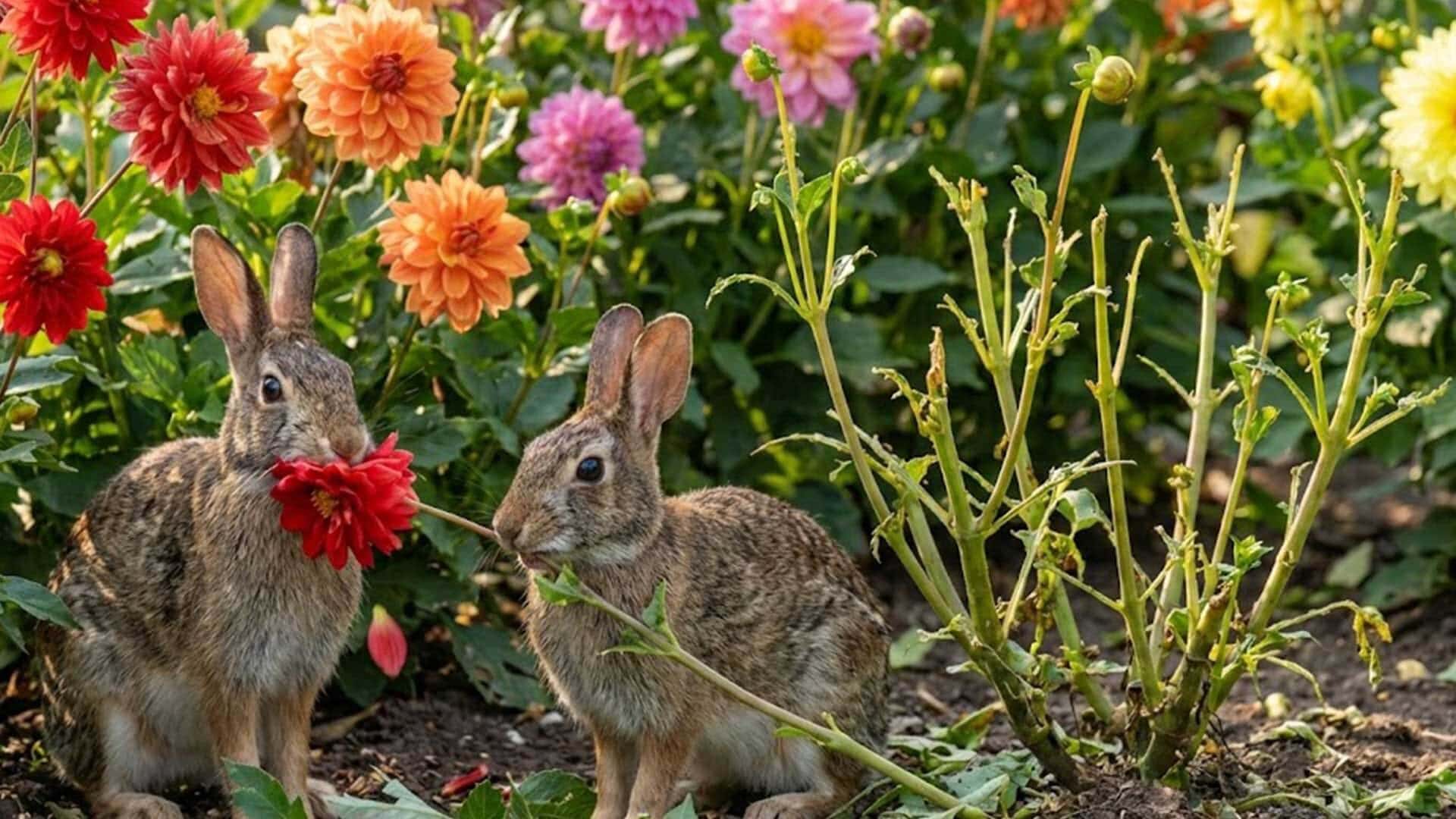
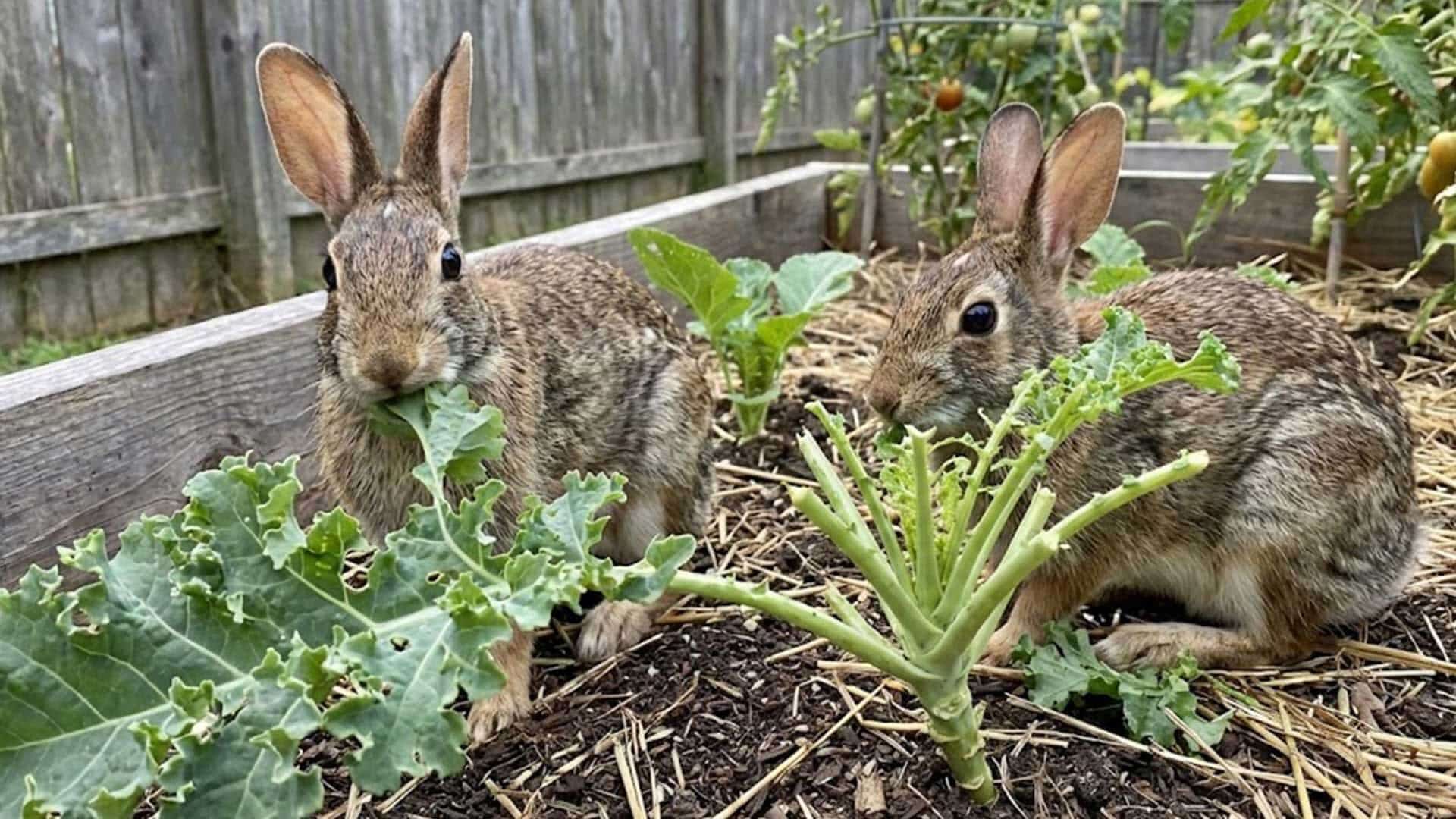
- Chewed seedlings and young shoots. Rabbits love tender new growth, often snipping seedlings down before they have a chance to mature.
- Neatly clipped stems close to the ground. Unlike insects that leave jagged edges, rabbits create clean, angled cuts about half an inch above the soil.
- Nibbled flowers and missing leaves. If blossoms disappear overnight or foliage looks evenly trimmed, a rabbit has likely been feeding nearby.
- Round droppings near affected plants. Small, pea-sized pellets scattered around the garden are a sure sign that rabbits have been visiting.
Once you recognize these patterns, you can confirm that rabbits — not deer, insects, or other pests — are responsible for damage and take steps to keep them from returning.
Why Rabbits Target Gardens
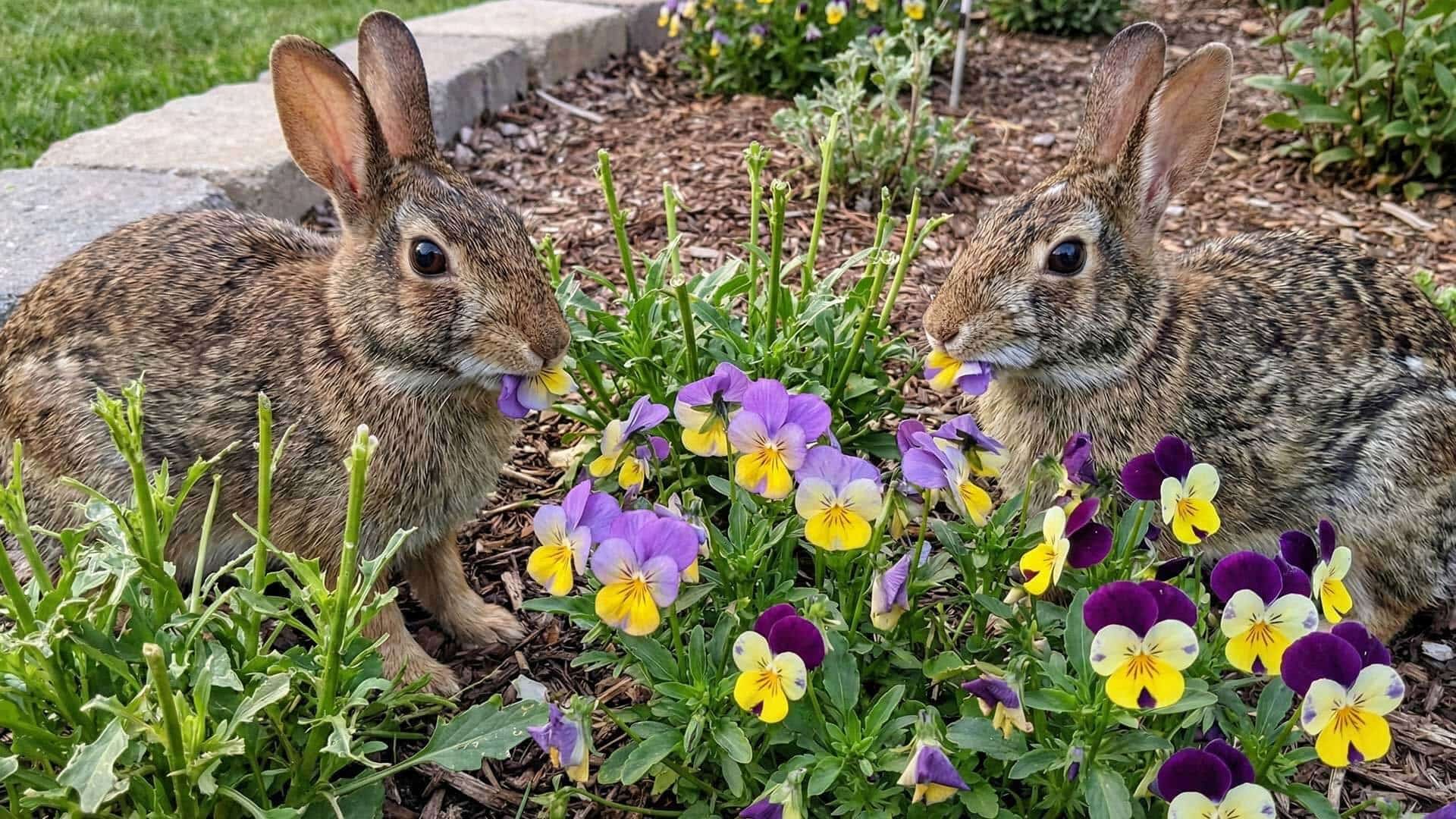
Because rabbits are grazers, they spend most of their days searching for grass, flowering plants, herbs, and other soft vegetation. Unfortunately, that makes your carefully tended garden one of their favorite dining spots. Vegetable gardens, in particular, offer easy access to soft shoots, leafy greens, and root vegetables — all high in the nutrients rabbits crave. Flower beds are equally appealing, especially those with blooms like pansies, tulips, and petunias that provide both flavor and moisture.
Throughout the year, rabbit activity in your garden will fluctuate. For example, the breeding season begins in February. With the gestational period only lasting one month and young rabbits starting to eat vegetation in only two weeks, plenty of rabbits in your area will look for food sources in the spring. With little to no food sources available during the colder months, rabbits will then look to planted seedlings in your garden. Likewise, in the fall, when natural vegetation begins to die back, rabbits will once again turn to gardens for one of the few remaining fresh food sources.
Left unchecked, rabbit feeding can quickly devastate a garden. These persistent foragers often return night after night, stripping plants down to the stems and leaving little chance for recovery. The key, however, is to prevent them from getting access to your garden in the first place.
Methods to Keep Rabbits Out
The best way to keep rabbits out of your garden is to take a multi-faceted approach, using a few simple strategies.
Install Rabbit-Proof Garden Fencing
A sturdy fence is one of the most reliable ways to keep rabbits out. For the best results, use wire mesh with openings no larger than one inch. Both chicken wire and hardware cloth are great examples of a wire mesh that could deter rabbits. The fence should stand at least two to three feet high. Most rabbits can’t jump higher than that.
To prevent them from digging underneath, bury the bottom of the fencing at least six to ten inches deep, bending the lower edge outward to create an underground barrier. This extra step stops rabbits from tunneling their way inside and ensures long-term protection for your plants.
Protect Raised Beds With Barriers
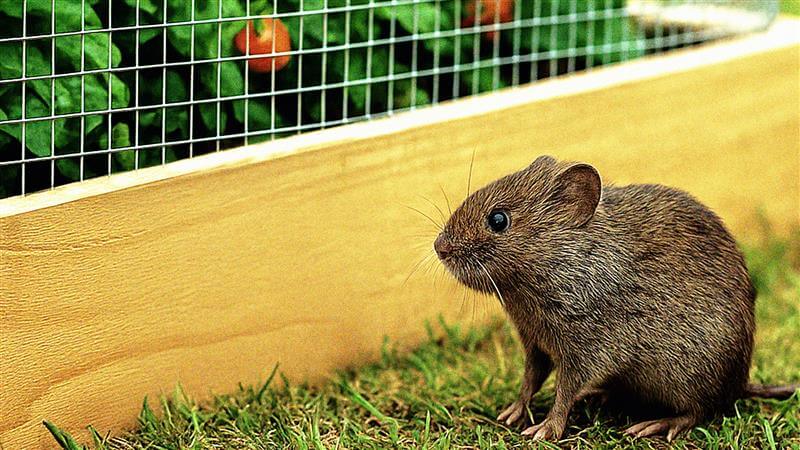
If you garden in raised beds, you already have a head start on deterring rabbits, as many may be unable to reach them. However, you can add an extra layer of protection by surrounding your beds with mesh or hardware cloth and tightening it to wooden frames or posts. This barrier should extend a few inches into the soil or curve outward to block digging attempts. You can also install a protective enclosure that will keep out other pests beyond rabbits.
Use Non-Toxic Rabbit Deterrents
If you want a humane way to keep out rabbits, there are plenty of safe, scent-based repellents that can make your garden less inviting. For example, you can make your own spray by using natural ingredients like garlic, chili pepper, or vinegar. You can also find commercial repellents with predator scents or bitter flavors to keep rabbits at bay. If you use any of these options, you’ll likely have to reapply, as rain and watering your garden washes the repellent away.
Grow Plant Deterrents
Another natural way to deter rabbits is to grow plants that rabbits naturally dislike around and throughout your garden, such as:
- Black-eyed susans
- Impatiens
- Basil
- Begonias
- Oregano
- Bleeding hears
- Sage
- Sunflowers
- Lavender
- Marigolds
- Onions
Most of these plants have strong scents and flavors that act as a natural repellent. You can plant them around the border of your garden or interspersed throughout the more vulnerable crops to create a “scent shield.”
How To Keep Rabbits Out of Your Garden in the Long-Term
When it comes to long-term rabbit control, fencing remains the most dependable and safest solution. A well-installed fence provides a consistent, physical barrier that doesn’t rely on constant reapplication or seasonal upkeep. Once it’s in place, you can protect your garden year after year with minimal maintenance.
When shopping for the right fence, it’s vital to find a dependable provider, such as DeerBusters. We make all of our fences with long-lasting, weather-resistant materials. We also include kits that include mesh fencing that we’ve designed to withstand burrowing or chewing that rabbits tend to do against weaker fences.
Choosing this option allows you to coexist peacefully with wildlife. Instead of harming rabbits or disrupting their natural behavior, you’re simply setting boundaries that protect both your garden and the surrounding habitat. With our help, protecting your garden doesn’t have to be a losing battle — or an inhumane one. Contact us today for a free quote on specialized fencing solutions!
FAQs
Will Rabbits Eat Flowers as Well as Vegetables?
Yes, rabbits will eat both flowers and vegetables. While vegetable seedlings and leafy greens are often their first choice, many flowers, such as pansies, tulips, and roses, are also appealing to them. If your flower beds show clipped stems and missing petals, rabbits may be the culprits.
How High Does a Fence Need to Be to Keep Rabbits Out?
A rabbit-proof fence should be at least two feet tall, as most rabbits cannot jump higher than that. However, the key to success is also burying the bottom of the fence six to ten inches underground to prevent digging. A strong mesh design with small openings is essential for keeping them from squeezing through gaps.
Are Rabbit Repellents Safe for Pets and Children?
Many non-toxic repellents are safe for use in gardens where pets and children play. It is best to choose products that are labeled as pet-safe and made from natural ingredients such as garlic, capsaicin, or essential oils. Always read the instructions carefully, and avoid chemical-based deterrents that could pose health risks.
What Plants Do Rabbits Avoid?
Rabbits tend to avoid plants with strong scents, tough textures, or natural toxins. Examples include lavender, marigolds, onions, and daffodils. Incorporating these into your garden can discourage rabbits from feeding in certain areas, though fencing remains the most reliable way to ensure complete protection.