How To Be a Sustainable Gardener
Sustainable gardening is a resource-conscious approach to growing plants that protects soil, conserves water, and supports local ecosystems. Key practices include:
- Plant Native & Drought-Tolerant Species – Choose plants adapted to your local climate to reduce watering, fertilizer use, and pest problems.
- Improve Water Efficiency – Use drip irrigation or soaker hoses, try hydrozoning, apply mulch, collect rainwater (where allowed), and water during early morning or evening.
- Build Healthy Soil – Add compost, apply organic matter, minimize tilling, and avoid compaction to improve nutrient content and moisture retention.
- Reduce Chemical Inputs – Limit synthetic fertilizers, pesticides, and herbicides; use integrated pest management (IPM), weed manually, and encourage beneficial insects.
- Manage Wildlife Responsibly – Remove attractants, harvest produce promptly, and install physical barriers like fencing when needed.
- Plan for Long-Term Resilience – Design gardens around mature plant size, local microclimates, and climate variability.
These combined strategies create lower-maintenance, drought-resilient landscapes that benefit both your yard and the broader environment.
Sustainable gardening is an approach to growing and maintaining plants that conserves water, improves soil health, and supports local ecosystems. It’s even thought to help combat the impacts of climate change and ensure that gardening remains an accessible activity for future generations, even amid environmental shifts.
This approach to gardening and landscaping is especially useful in regions where water scarcity and soil degradation are ongoing concerns. After all, if more gardeners make the effort to save water and protect soil, more of those resources are available to even more people for later use. That said, sustainable gardening is beneficial in all regions, and you can make any garden healthier with these practices. Here’s what you need to know to get started as a sustainable gardener.
What Is Sustainable Gardening?
Sustainable gardening is a long-term landscaping method that works to minimize negative environmental impacts while maximizing plant health in your yard. It isn’t a single action, but rather a set of practices that can help transform how you garden. Its core principles focus on climate-positive actions such as conserving water, maintaining soil health, reducing chemical inputs, and selecting plants suited to your area.
Sustainable gardening differs from conventional gardening methods, which often require large amounts of water and rely heavily on chemicals that can harm gardens, wildlife, and humans alike (such as pesticides and fertilizers). Sustainable gardening may still use water and pesticides, but in ways that are healthier for all.
Sustainable Gardening Methods
Sustainable gardening works best when you employ multiple strategies in tandem, rather than a single one in isolation.
To make the most of the benefits of sustainable gardening, consider trying all (or at least some!) of the following methods:
Choose Drought-Tolerant and Native Plants
To have a truly sustainable garden, you have to cultivate the right kinds of plants. To that end, start by selecting plants native to your region. These plants have evolved in your local climate over many, many years and have evolved to survive there. They may already be resistant to regional pests and diseases and adapted to the natural water cycle in your area, which should make for a relatively simple addition to your garden. That doesn’t begin to address the myriad of benefits native plants can provide to your local ecosystem.
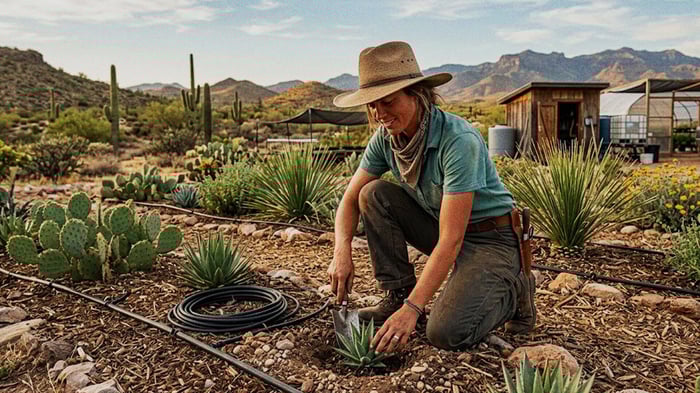
Further, drought-tolerant plants are another great option. No matter where you live, they naturally require less watering and may also require less maintenance from you. If you live in an area where water conservation is a top priority, you may even want to consider starting a drought-tolerant garden. Doing so can help support greater environmental efforts while still benefiting you, your yard, and your utility bill.
Improve Irrigation Efficiency
Regardless of which plants are in your garden, do your best to make your irrigation as efficient as possible. After all, even drought-tolerant landscapes can fail in their conservation goals if your watering practices are inefficient. That’s especially true if you happen to run into common watering problems, including overwatering. Even if you don’t overwater, you may still run into issues with evaporation and runoff if you aren’t careful.
You can avoid these issues by improving irrigation efficiency throughout your entire yard. There are a few ways to do so, such as:
- Installing a drip irrigation system or a soaker hose.
- Hydrozoning (grouping plants by their watering needs).
- Collecting and using rainwater in your garden, if allowed in your area.
- Adjusting watering times to either early morning or evening.
- Employing smart irrigation controllers for customized watering based on real-time data.
- Using mulch to decrease evaporation rates.
It may not seem like much, but combined, these kinds of strategies can make a big difference in how water is used throughout your garden.
Build and Protect Healthy Soil
Healthy soil is the foundation of all sustainable gardens. Not only does soil impact water retention, but it also provides much-needed nutrients to your plants. Without the right kind of soil, or without properly supporting your soil, your plants will fail to thrive due to a lack of these essentials.
Some of the most effective ways to build and protect soil health in your garden include:
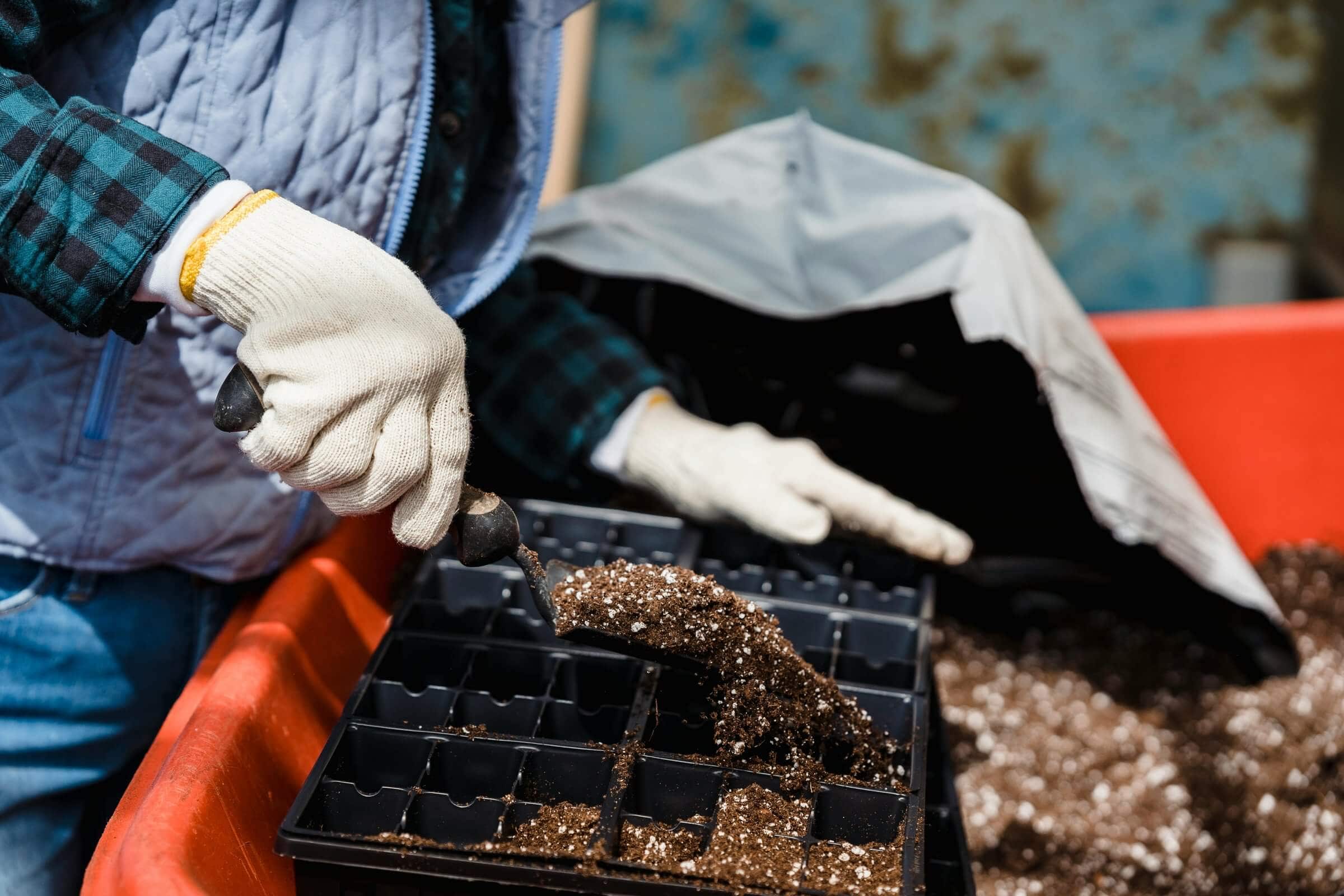
- Using compost for a natural nutrient boost (especially if it’s homemade).
- Applying organic mulch, matter, and add-ins.
- Avoiding unnecessary tilling or compaction.
- Minimizing or eliminating the use of chemicals, including pesticides.
Improving the health of your soil can also reduce the need for both frequent watering and synthetic fertilizers. Healthier soil tends to retain water better, so you don’t need to water your plants as often. In other words, protecting soil health can amplify the effects of improving water efficiency in your garden.
Additionally, when soil is naturally abundant with the nutrients and structures required to support plants, you don’t need to add synthetics designed to replace the lacking nutrients. Synthetic fertilizers can be detrimental to long-term soil quality as well, so the less you use them, the better off your garden.
Reduce Your Reliance on Chemical Solutions
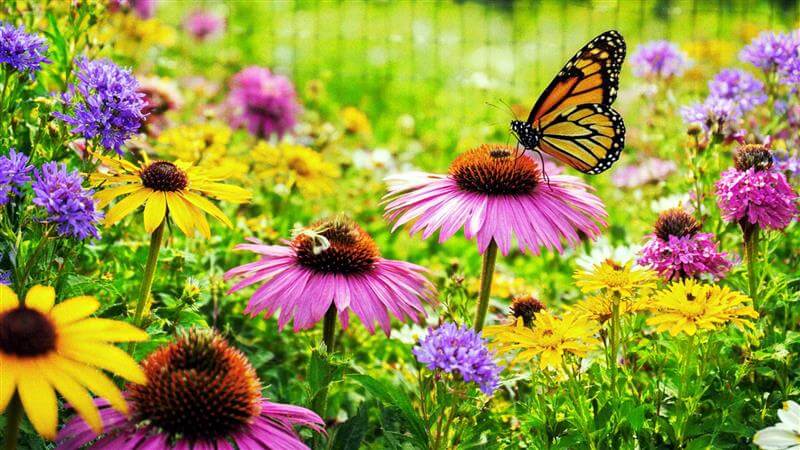
Overusing harmful chemical products like synthetic fertilizers, pesticides, herbicides, and insecticides can be damaging to soil biology and to the bees, butterflies, hummingbirds, and other pollinators who visit your garden. To ensure your garden remains friendly to pollinators and your soil is as healthy as possible, it’s best to find solutions that are more friendly to sustainable gardening.
One popular option is integrated pest management (IPM), a sustainable and common-sense approach to managing pests in various settings, including the home garden. IPM includes being judicious about when pest control is even needed, managing the environment to prevent pests from becoming an issue, and opting for non-harmful pest control methods when needed.
Beyond this, it can help to encourage insects to visit your garden — at least, those that are beneficial. This doesn’t just mean pollinators, but also predators (such as ladybugs and spiders) and parasitizers (such as parasitic wasps and tachinid flies) to help with pest control.
Instead of chemical herbicides, you should manually address weeds as your first line of defense. This can further help with pest control efforts by removing potential hiding spots and food sources, and allows you to avoid the harmful effects of synthetic herbicides. If needed, you may be able to use a natural herbicide instead, which you can make from simple products you already have at home, such as boiling water, salt, or vinegar.
Avoid Wildlife Attractants
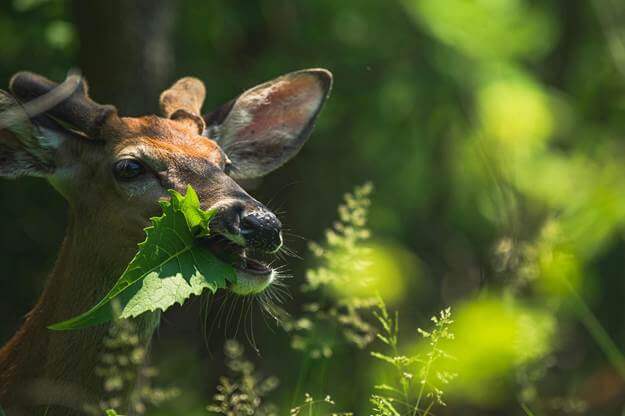
To keep your garden safe, avoid anything that may attract wildlife. This is particularly important if you live in an area that puts you in proximity to nature. Wildlife such as mule deer may also pose a problem during drought conditions, which can push them into residential areas as they search for water and their favorite foods.
Wildlife can easily disrupt and even damage carefully cultivated gardens if you leave attractants unchecked. Try the following to reduce the appeal of your garden to wildlife:
- Picking ripe produce as soon as it’s ready.
- Removing fallen fruit from your garden as soon as you notice it.
- Ensuring compost isn’t accessible to animals.
- Not having standing water in your garden.
- Clearing excess garden debris.
Generally, wildlife is attracted to food, water, and shelter. The best ways to avoid attracting them will require removing items from your garden that wildlife can use to meet those needs.
Protect Plants From Local Wildlife
Despite your efforts to keep them away, your garden may still be appealing to certain critters. That means taking more active steps to protect your plants from wildlife, rather than simply avoiding common attractants. After all, a key part of sustainable gardening includes managing wildlife pressure in ways that both protect your garden and the larger local ecosystem.
There are many available options, such as odor- and taste-based repellents. However, these repellents are temporary, and you’ll likely need to reapply them continually for them to have any impact. Certain animals may also become accustomed to them, rendering them ineffective over time.
The most effective solutions are also among the most enduring. Responsible protection strategies include:
- Installing physical barriers, such as metal deer fencing.
- Protecting young trees and vulnerable plants with plastic netting.
- Growing plants in raised beds or pots.
- Scaring wildlife away humanely, such as with metallic streamers, motion-activated lights, or sprinklers.
Ultimately, putting up a physical barrier or deterrent at the start of the season is a much better way to keep wildlife out than continually purchasing and applying repellents.
Plan for Long-Term Garden Health
At the end of the day, a sustainable garden must be just that: sustainable. These gardens are designed for continuous longevity, not aesthetics that change and require overhauls each season. That means it’s vital to plan for the long-term health of your garden from the very beginning.
When designing your new garden, or updating your existing one, always factor in how plants will look and behave when they’re mature, not just seedlings. That way, you can plan for appropriate spacing and care for when they’re fully grown in the coming months and years. Again, opt for drought-tolerant or native plants when you can. Ideally, select perennial varieties when appropriate. This ensures the same plants you love will come back year after year.
As much as possible, factor in climate variability into your garden design choices. Familiarize yourself with the possible extremes you and your garden could face and plan for them accordingly so your plants can weather the storm. You can also look at microclimates within your yard, such as identifying particularly sunny or shady spots, to better protect plants against those fluctuations.
How Sustainable Gardening Supports Drought-Prone Landscapes
Sustainable gardening is key in supporting drought-prone landscapes. They benefit water-stressed regions in several different but vital ways, including:
- Reducing water usage, thereby reducing strain on local water systems and supplies.
- Improving soil moisture retention through improved soil quality and health.
- Supporting local wildlife and biodiversity even in harsh climates.
Becoming a sustainable gardener isn’t just about you or your yard—it’s about making an effort to improve the health of your community and the planet as a whole.
Looking for support in your sustainable garden? DeerBusters can help. Take steps to prevent wildlife from reaping what you’ve sown, and see what deer fence materials and supplies can protect the plants in your garden today.