How To Protect Your Pollinator Garden
Protecting your pollinator garden starts with understanding the specific threats your garden faces, then putting the right combination of strategies in place to guard against them. You should consider the following options:
- Identify the wildlife and environmental threats in your area. Watch for signs of deer browsing, small mammal damage, pest pressure, and environmental stressors like drought or erosion that can weaken plants and leave your garden vulnerable.
- Use physical barriers as your first line of defense. Install appropriately sized fencing to exclude deer and small mammals, and use netting or enclosures for individual beds that need extra protection.
- Layer in deterrents and smart planting strategies. Combine scent and taste-based repellents with thoughtful plant placement, deer-resistant native species, and companion planting to reduce pressure from multiple angles.
Revisit your protection plan each season, adjusting your approach as wildlife patterns, plant growth, and local conditions evolve.
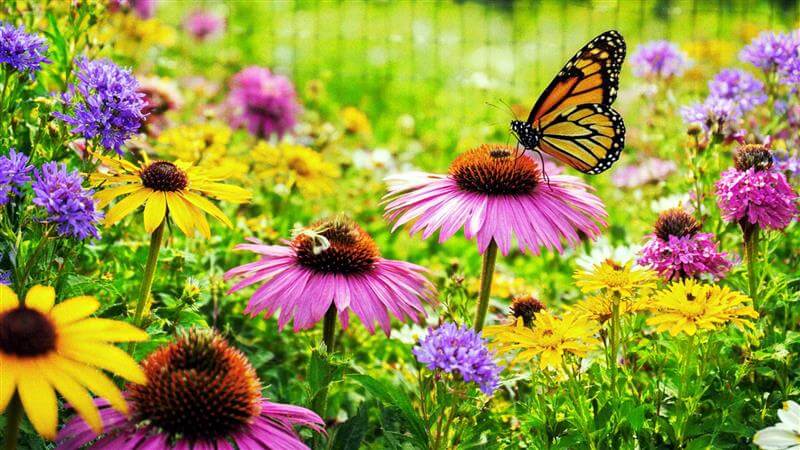
Pollinator gardens are more than just pretty. These spaces support bees, butterflies, hummingbirds, and other species that keep our ecosystems running. These gardens play a role in biodiversity, food production, and environmental balance.
But they also come with unique challenges. Because pollinator gardens rely on diverse native plants and avoid heavy pesticide use, they tend to attract more wildlife, along with the pests and the environmental stressors that come with it. While protecting your pollinator garden may take more planning, it is absolutely worth the effort.
What Is a Pollinator Garden?
At its core, a pollinator garden is a landscape built around native flowering plants that provide nectar, pollen, and habitat for pollinator species. Unlike traditional ornamental gardens, which often prioritize how things look, pollinator gardens are designed with function in mind: to help pollinators.
Since pollinators like bees, butterflies, birds, and other insects play a critical role in plant reproduction, helping them can indirectly promote the growth of many wild plants and food crops that produce seeds and fruit. Therefore, by growing a pollinator garden, you can help grow plant life all across your region, either in the wild or in nearby farms.
Pollinator gardens are highly attractive to wildlife – deer, rabbits, and groundhogs love the same lush, flowering growth that pollinators depend on. That tension between attracting beneficial insects and keeping destructive animals out is exactly what makes protection so important.
Common Threats to Pollinator Gardens and Plants
Pollinator gardens face a range of challenges. While the specific risks depend on where you live, most gardeners deal with some combination of browsing wildlife, small mammal damage, pest insects, and environmental stress. No matter the cause, knowing what you’re up against is the first step toward protecting what you’ve built.
Deer and Large Browsing Animals
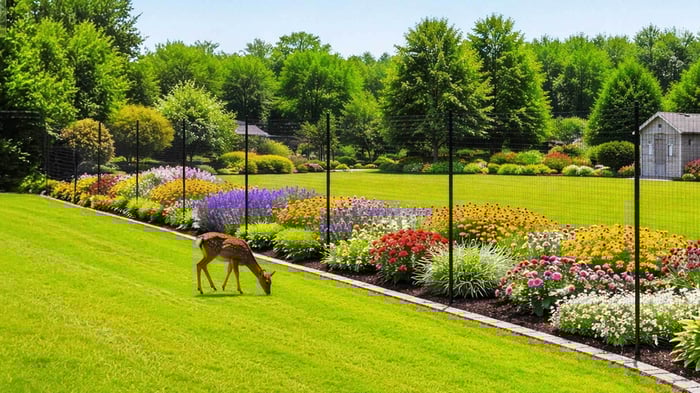
Deer are one of the biggest threats to pollinator gardens. They look for tender, flowering plants; the same kinds of plants that pollinators rely on the most. Native wildflowers, moisture-rich growth, and young blooms are all on the menu.
The damage deer leave behind is hard to miss: jagged bite marks, stripped foliage, and trampled planting beds are all part of what you’re inadvertently signing up for with a pollinator garden. Browsing tends to get worse in spring when new growth is at its peak, and again during drought periods when natural food sources are scarce.
Rabbits, Groundhogs, and Small Mammals
Deer get a lot of attention, but rabbits and groundhogs can do just as much harm at ground level. They chew through stems, nibble on roots, and burrow in ways that disrupt entire planting beds. Young or newly established pollinator gardens are especially vulnerable because the plants have not yet had time to develop strong root systems.
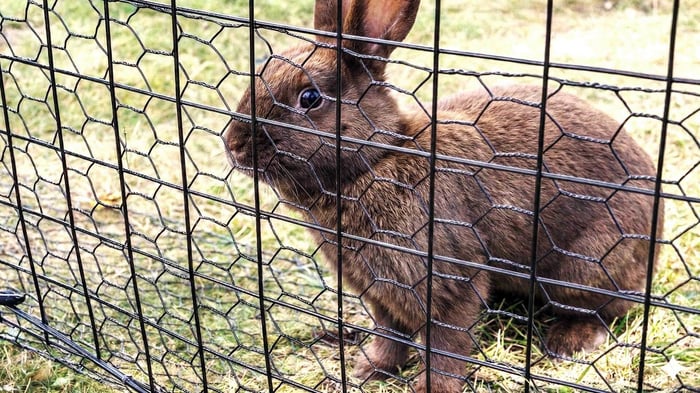
These small mammals are especially damaging because they can slip right through standard fencing if the mesh openings are too large. This is why choosing fencing designed specifically for small animals matters just as much as height.
Invasive Insects and Pests
Not all insects are bad for your garden. Bees and ladybugs are your allies. But aphids, Japanese beetles, and caterpillars from invasive moth species can cause serious damage. Dense plantings, which are common in pollinator gardens, can create ideal conditions for pest populations to build up quickly.
Managing these pets requires a careful approach, as many conventional pest control products don’t discriminate between harmful insects and beneficial ones. By protecting your pollinator garden against damaging insects, you could easily harm the ones you’re trying to preserve. This is why targeted, pollinator-safe treatments are essential.
Environmental Stressors
Even well-designed gardens must contend with the realities of weather and soil conditions. A prolonged dry spell weakens plants at the root level, making them easier targets for both pests and browsing animals. Heavy rain brings its own set of problems, eroding soil, washing away nutrients, and leaving plants struggling to recover. Taller flowering species are especially at risk in open or exposed spots where wind can snap or uproot them. A garden built to last accounts for these conditions from day one.
Pollinator Garden Protection Methods
There’s no single solution that covers every threat against pollinator gardens. The most effective approach is to deploy multiple strategies, including physical barriers, deterrents, smart plant selection, and good garden management practices.
Physical Barriers
Fencing is the most reliable way to keep deer and other large animals out of your garden for the long haul. For deer, that typically means a metal fence that stands eight feet tall. These tall fences can protect your space against deer, which are capable of jumping smaller fence lines.
For smaller threats, installing a small mesh fence with a buried section can prevent rabbits and groundhogs from digging under or squeezing through. For individual beds or seasonal protection, plastic netting is a flexible, affordable option. However you fence your garden, proper installation and tensioning are critical, because a sagging or poorly secured fence will not do its job.
Wildlife Deterrents and Repellents
Repellents can help, but they work best as part of a broader strategy rather than a standalone solution. Predator urine and other scent-based deterrents tap into deer’s instincts, making your garden feel less safe. Another option is taste-based repellents that coat plants with unpleasant flavors to discourage browsing. The downside of using this type of protection is that repellents require regular reapplication, especially after rain. Their effectiveness also varies by season and local deer population. They’re more of a support than a replacement for physical fencing.
Strategic Plant Placement
Where you put your plants matters. For instance, placing your most vulnerable pollinator plants closer to your home reduces the chance that deer or rabbits will browse them, as wildlife tends to be more cautious near human activity. You may also plant less palatable species along the outer edges of your garden to create a natural buffer.
Layered planting design can also help. Mixing heights and texture makes it harder for animals to access target plants and can visually discourage entry. A practice known as companion planting, which involves pairing certain species together, can also reduce pest pressure naturally.
Native Plant Selection
Choosing regionally appropriate native plants is one of the smartest things you can do, as some native species are far less attractive to deer than others. It is worth noting, though, that no plant is completely deer-proof. When food is scarce enough, deer will eat almost anything.
Biodiversity helps too — if a deer browses a part of your garden, a wide variety of species means the loss is less devastating overall. To pick a biodiverse selection of plants for your garden, check your local cooperative extension offices for region-specific planting recommendations.
Integrated Pest Management (IPM) Principles
Integrated pest management (IPM) is a monitoring-based approach that helps you manage pests without harming the pollinators you want to protect. It works in stages:
- Regularly inspecting your garden to catch problems early.
- Encouraging beneficial insects that prey on pests.
- Mechanically removing pests when infestations are manageable.
- Using chemical treatments only when pest levels cross a threshold that warrants it.
IPM is not about eliminating all pest activity, but rather keeping damage at an acceptable level using the least disruptive methods available.
Protect Your Pollinator Garden with DeerBusters
Every hour spent planning, planting, and tending a pollinator garden is an investment worth protecting. Wildlife pressure, pest damage, and environmental stress are real threats, but they are manageable. DeerBusters offers the netting, fencing, and deterrent solutions that make long-term protection simple. With our help, the bees, butterflies, and blooms you have worked so hard to cultivate can do what they are meant to do, season after season.
FAQs
How Do I Protect Pollinator Plants From Deer Without Harming Wildlife?
The most effective and humane solution is installing properly sized deer fencing that physically excludes browsing animals without causing harm. Repellents may help temporarily, but fencing provides consistent, long-term protection while still allowing pollinators to access the garden.
What Fence Height Works Best For a Pollinator Garden?
In areas with regular deer activity, 8-foot fencing is recommended to prevent jumping. Smaller gardens may require less height depending on local wildlife pressure.
Are Deer-Resistant Pollinator Plants Enough on Their Own?
Deer-resistant plants can reduce damage but are not completely reliable, especially when food is scarce. Combining resistant varieties with physical barriers offers stronger protection.
Can I Use Pest Control Products in a Pollinator Garden Safely?
Yes, but only use targeted, pollinator-safe treatments and apply them when bees and butterflies are inactive. You should always prioritize integrated pest management strategies over broad chemical use.
How Do I Protect a Small Backyard Pollinator Garden?
Use compact fencing, raised bed enclosures, or plant cages to prevent browsing damage. Position vulnerable pollinator plants closer to your home or within protected zones for added security.
How Can I Protect a Pollinator Garden During Drought or Extreme Weather?
Support plant resilience with drip irrigation, mulch, and compost to improve soil moisture retention. Choosing native pollinator plants adapted to your climate also reduces stress-related damage.