How To Start a Drought-Tolerant Garden
A drought-tolerant garden relies on thoughtful planning that reduces water demand while supporting long-term plant health. By aligning plant selection with local climate conditions, improving soil structure for moisture retention, and using targeted irrigation methods, gardens can stay productive through extended dry periods with less maintenance.
Successful drought-tolerant landscapes focus on deep root development, efficient water delivery, and realistic watering schedules during plant establishment. Soil preparation, spacing, and observation of sun exposure and drainage play a central role in reducing water loss and preventing plant stress.
Wildlife activity often increases during drought, making early, humane protection strategies an important part of garden planning. When irrigation, soil health, and protection measures work together, drought-tolerant gardens conserve resources while remaining resilient and visually engaging.
With drought becoming more common, many gardeners are turning to drought-tolerant gardens to transform their backyards more sustainably. A drought-tolerant garden grows from thoughtful planning more than constant watering. With carefully devised plant selection, soil structure, spacing, and irrigation, gardens use less water while staying both healthy and engaging. This approach delivers resilient plants even in areas facing extended dry seasons or tightening water restrictions.
Drought-tolerant gardens still require some water, but by adapting garden systems to local conditions, gardeners reduce maintenance demands, lower water costs, and create landscapes that remain consistently productive and weather-resistant.
What Is a Drought-Tolerant Garden?
Drought-tolerant gardens are built to use water efficiently and not rely on frequent irrigation. They combine plants that can thrive with limited supplemental water, especially once they’re established. From there, gardeners can focus on soil maintenance so they can retain moisture effectively. Irrigation can deliver water directly to root zones to limit evaporation and runoff.
Drought-tolerant landscaping encourages deeper root growth and steadier plant health. This method focuses on the timing, placement, and proper watering volume to support plant needs without excess. Targeted irrigation delivers water directly to root zones, limiting evaporation and runoff.
The benefits extend beyond water savings. Less time spent on maintenance, reduced utility bills, and improved environmental contributions make these types of gardens practical in both residential and shared community spaces.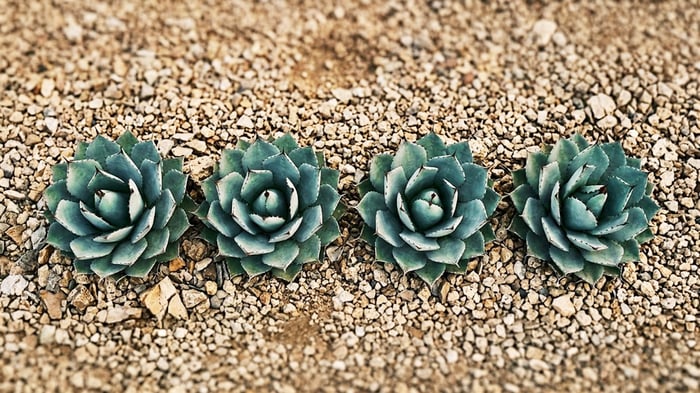
Steps in Building a Drought-Tolerant Garden
Drought tolerance comes from systems working together rather than from plant choice alone. Soil preparation, irrigation methods, spacing, and protection strategies all influence how efficiently a garden uses water and withstands dry conditions. Each step builds on the previous one, creating a foundation that supports long-term plant health and reduces resource strain.
Assess Your Growing Conditions
Successful planning begins with understanding local climate conditions, including seasonal rainfall, temperature extremes, and wind exposure. These factors determine how quickly soil dries and how much extra water plants need.
Sun exposure, slope, and drainage also shape water movement. South-facing slopes in the northern hemisphere warm faster, but both north- and south-facing slopes are typically drier. Valleys between all slopes offer better water retention and provide an excellent spot for drought-resistant growth.
Look out for compacted or low-lying areas that may retain water unevenly. Observe how water flows and settles after rainfall or irrigation, and adjust as needed. Getting the lay of the land early helps prevent costly plant failure, accidental overwatering, and makes it easier to match plant selection with site conditions.
Choose the Right Drought-Tolerant Plants
The right plants must complement the local climate and soil conditions. Native and regionally adapted plants typically require less water because they evolved alongside local rainfall patterns and temperature ranges.
Drought-tolerant plants differ from drought-resistant plants. Most drought-tolerant plants still need consistent watering during their establishment phase to develop strong root systems. Once established, their water needs drop significantly. Drought-resistant plants feature similar systems that allow them to grow and thrive in prolonged dry conditions from the very start.
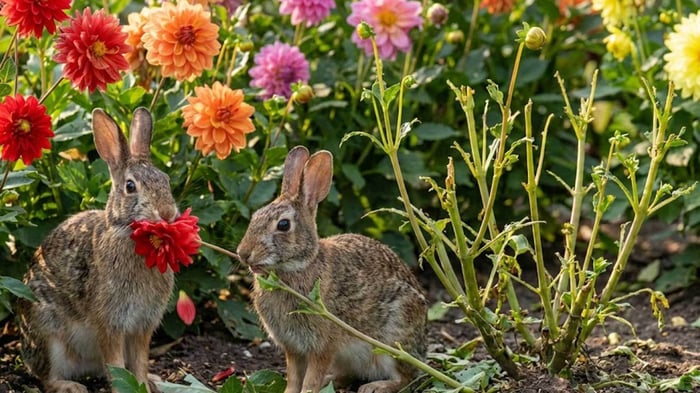
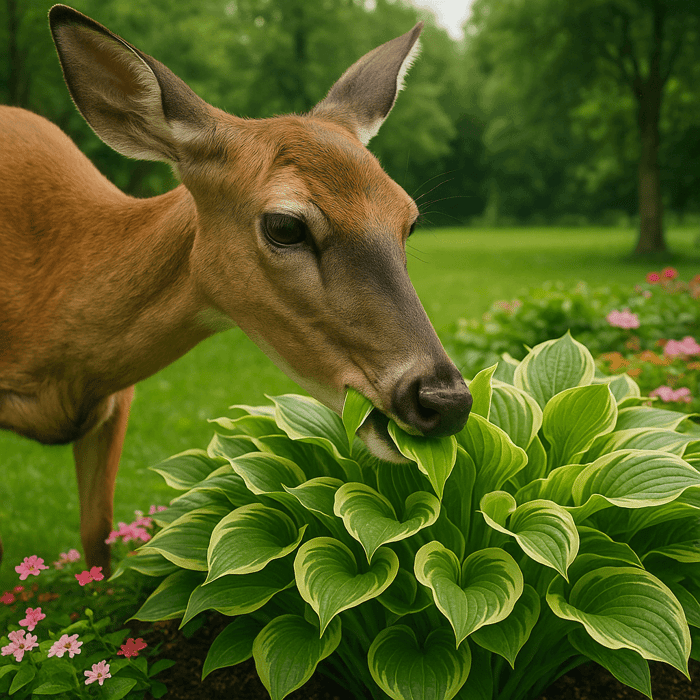
Plant choice also influences wildlife activity. Flowers, fruits, and tender new growth often attract deer and other animals during dry periods, when natural forage becomes limited. Understanding these regional patterns can help gardeners plan protection early.
Utilize Water-Smart Irrigation Methods
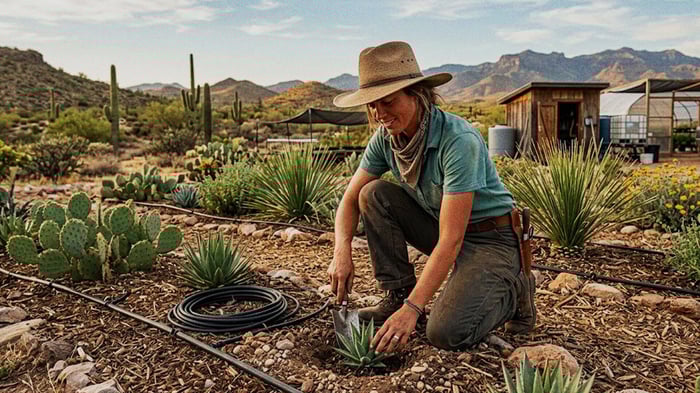
Efficient irrigation supports plant health while conserving water. Drip irrigation and soaker hoses deliver moisture directly to root zones, reducing evaporation and limiting runoff. These systems encourage deeper root growth and improve drought resilience.
Deep, infrequent watering also strengthens plants more effectively than shallow daily watering. By adjusting irrigation schedules based on soil moisture, plant maturity, and weather conditions, you can save more water in the long run. Rainwater collection systems and smart timers further support water conservation by matching irrigation with environmental needs rather than arbitrary schedules.
Protect Local Wildlife
Dry conditions increase wildlife movement into residential areas as animals search for food and water. Gardens with irrigated plants become attractive feeding sites during drought periods. It’s important to pair your drought-tolerant gardening efforts with humane protection strategies that focus on coexistence.
For example, physical barriers like fencing protect plants while allowing wildlife to move safely through surrounding habitats. Proper height, material selection, and installation lead to long-term effectiveness. If you install a rabbit fence, you likely won’t receive the same amount of protection as a deer fence against large mammals like deer and elk.
That’s why it’s critical to understand the behavior of local animals. Deer and other wildlife follow established paths to return to reliable food sources, making early protection more effective than reactive measures to drive away wildlife. Cohabitation remains key, as animals are a valuable part of the local ecology.
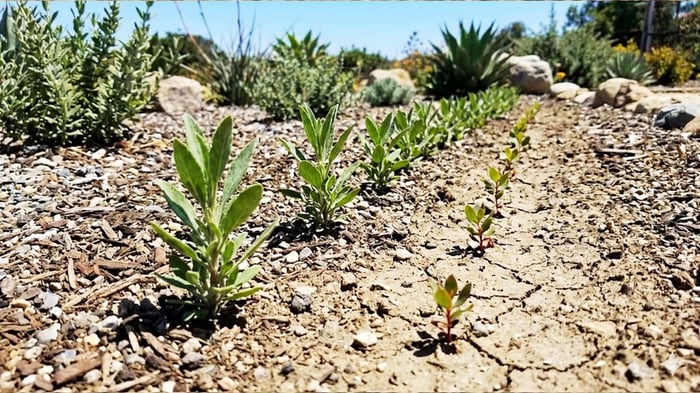
Common Mistakes When Starting a Drought-Tolerant Garden
Most challenges come from habits formed in traditional gardening. Recognizing these patterns early helps prevent wasted water, plant stress, and repeated wildlife damage.
Overwatering Drought-Tolerant Plants
Excess water weakens plants by limiting oxygen around roots and encouraging rot. Plants adapted to dry conditions perform best when the soil dries slightly between watering cycles. Adjusting watering habits based on soil type and plant needs improves long-term root strength and resilience.
Choosing Invasive or Non-Native Plants
If you live in a drought-prone area, research the native plants that thrive in your environment. Otherwise, plants that lack adaptation to local conditions will often require more water and maintenance. Some of these invasive species may also spread aggressively, competing with other native plants and disrupting ecosystems.
Skipping Soil Preparation
Healthy soil retains moisture efficiently and supports root development. Compacted or depleted soil sheds water and limits access to nutrients. Soil management also affects broader environmental health. Poor soil practices can contribute to disease spread among local wildlife.
Underestimating Wildlife Pressure During Dry Seasons
Drought increases competition for food and water, leading wildlife to revisit unprotected gardens repeatedly. Once animals identify a garden as a reliable food source, damage escalates quickly. Installing fencing before planting protects crops and supports humane, animal-friendly gardening practices.
When soil, plants, irrigation, and protection strategies align, your garden can conserve water while still being attractive and productive.
DeerBusters supports gardeners who want to protect their landscapes while respecting local wildlife. Explore fencing and garden protection solutions at DeerBusters for more options for long-term garden resilience.
FAQs
What Is the Difference Between Drought-Tolerant and Drought-Resistant Plants?
Drought-tolerant plants are able to survive and remain healthy with reduced water once established, but they may still require occasional irrigation during extended dry periods. Drought-resistant plants, on the other hand, are capable of withstanding prolonged drought with little to no supplemental watering. Most residential gardens rely on drought-tolerant plants because they offer a balance between water efficiency, visual appeal, and long-term plant health.
Do Drought-Tolerant Gardens Require Any Water?
Yes, drought-tolerant gardens still require water, especially during the establishment phase when roots are developing. The goal is to reduce overall water use rather than eliminate it entirely. Once your plants are established, you can water them less frequently to support strong root systems and improve drought resilience.
How Long Does It Take for a Drought-Tolerant Garden to Become Established?
Most drought-tolerant gardens take one to two growing seasons to become fully established. During this time, plants require more consistent watering to help roots grow deeper into the soil.