Urban Gardening on Small Lots: How to Grow Food While Protecting It From Wildlife
Urban gardeners can successfully grow food on small city lots by combining space-efficient gardening methods with humane wildlife protection strategies. These methods prevent damage from common urban wildlife like birds, rodents, raccoons, and deer:
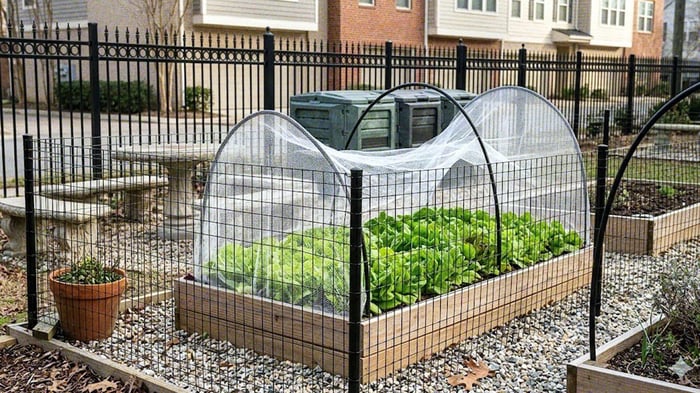
- Physical barriers: Install fencing, netting, or wire mesh cages around garden beds; deer fencing should be 6–8 feet tall where permitted by local regulations.
- Raised beds and containers: Elevating plants reduces access for ground-dwelling pests and allows better control over soil and placement.
- Humane repellents: Use plant-based or scent-based deterrents (such as garlic, cayenne, or predator-scent products) instead of traps or toxins.
- Environmental management: Secure compost bins, remove fallen fruit, and avoid bird feeders near gardens to reduce attractants.
- Urban-friendly design: Plan gardens with wildlife pressure in mind by choosing less attractive plants and enclosing high-value crops from the start.
When thoughtfully planned, urban gardens can provide fresh food, strengthen communities, and coexist with local wildlife—without harming animals or violating city, HOA, or rental restrictions.
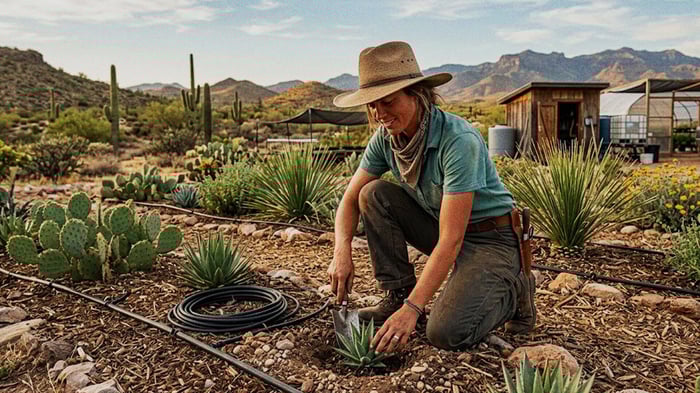
For years, gardening has been a pastime that provides countless benefits for hobbyists. Not only do you get to enjoy free, fresh food in your own backyard, but it’s also an active pastime that keeps your body and mind healthy. While gardening was once reserved for those with large properties or even those with a small plot of land to grow food, urban gardening is a more inclusive pastime, connecting those who live in more cramped living spaces with compact lots or communal gardening spaces.
This inclusivity is one of the reasons why gardening has become more popular among young people. Since young adults make up a significant portion of urban spaces and big cities, many of them have turned to hobbies that can help them connect with their neighbors and their communities. In fact, according to a DeerBusters survey, 80% of Generation Z is interested in backyard projects like gardening.
Still, while urban gardening has been growing, there can be a learning curve, especially when protecting any food against common city pests like pigeons, rodents, and insects. Instead of using potentially dangerous deterrents that could harm wildlife or violate local regulations, use this guide when starting your urban gardening venture.
Why Urban Gardening Matters
Urban gardening is more than just a hobby. For many people, it provides access to resources they desperately need. For instance, over 82% of food deserts are in urban areas. In these zones, people have little to no access to nutritious food they can afford, affecting 13.5 million people in the U.S. However, with urban gardening, these neighborhoods can have direct access to fresh food, preventing nutritional deficiencies and health conditions often seen in food deserts, like Type II diabetes, heart disease, and stroke.
In addition, urban gardening can also provide environmental benefits, such as:
- Smaller carbon footprint: Produce doesn’t need to travel hundreds of thousands of miles to reach the kitchen, which makes it more carbon-neutral than simply shopping at the supermarket.
- Less packaging waste: Since growing fruits and vegetables out of your back garden requires zero packaging, you can prevent any plastic from ending up in landfills.
- Supporting urban diversity: Even though urban gardens may seem small, they can create important habitats for bees and butterflies, improve the soil health in an area, and generally support the micro-ecosystems in concrete jungles.
In many cases, urban gardening can also bring communities together. Neighbors can work together in a community garden, sharing their own experiences and knowledge about gardening with one another. Even those who only have access to a small balcony garden can share the fruits of their labor with neighbors or donate them to those who need them.
Because of all the benefits of gardening, schools, nonprofits, and local health problems have often turned to it as a way to teach nutrition, environmental stewardship, and life skills to the public. This often creates more resilient neighborhoods that can better endure hardship during economic tough times.
Common Challenges of Gardening on Small Urban Lots
Despite the many benefits of urban gardening, there are quite a few challenges that require preemptive planning.
Limited Space and Sunlight Constraints
Because of the limited space available in many cities, urban gardening rarely involves gardening in traditional in-ground garden layouts. Instead, gardeners use raised beds, containers, or vertical systems that are compatible with their small yards, patios, balconies, or rooftop spaces. While these methods are effective, plants may not have the space to grow, affecting the overall output.
Sunlight is also another hot commodity in urban gardening. Nearby buildings, fences, and mature trees can reduce direct sun exposure, which many plants need in peak growing seasons. Most plants grow best with at least six hours of direct sunlight, yet many urban spaces receive only a few hours daily. As a result, gardeners have to choose plants that can survive in these spaces, such as shade-tolerant plants, or use containers to move plants for the right amount of sun each day.
Zoning Rules, HOA Guidelines, and Municipal Regulations
In many boroughs, neighborhoods, and apartment complexes, gardeners face strict regulations that can shape how their garden looks. For example, some cities may limit the height of fencing, and some HOAs may prohibit using permanent gardening boxes in shared spaces.
Even if you don’t live in a neighborhood with these restrictions, you may have a landlord who does. As a result, your gardening options become a lot more limited.
Urban Wildlife Pressure
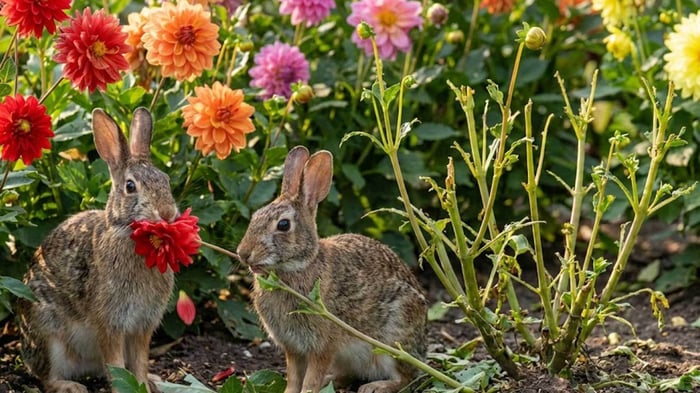
Wildlife is all around us, even if you don’t live near a forest or even a park. From the raccoons and rats that dig through compost bins to the pigeons that peck at new vegetable growth, there are plenty of ways wildlife can interfere with any urban garden.
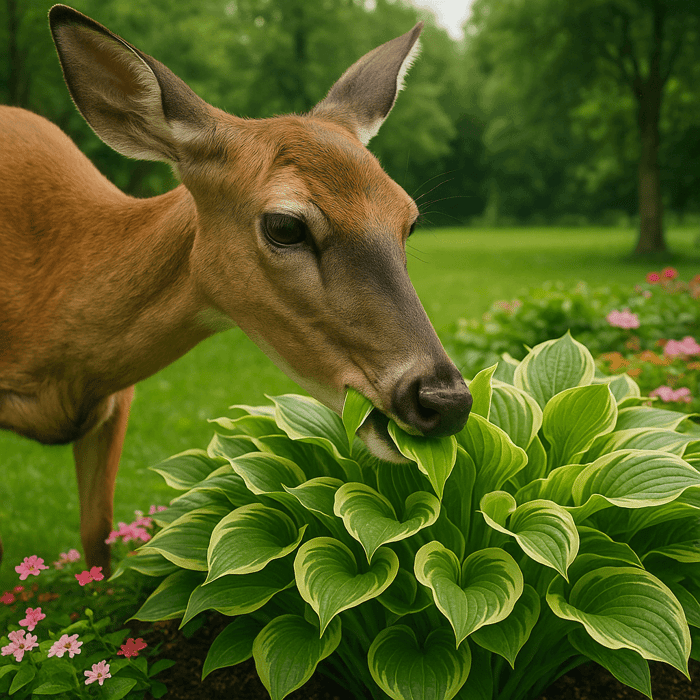
If anything, wildlife can be even more tenacious in these spaces in comparison to more rural areas due to the lack of natural food sources. In crowded neighborhoods, an urban garden can quickly become a reliable feeding spot, especially during dry or colder seasons. If any critters, like an errant deer, find your garden, they can damage it in a short period of time, wasting countless funds and resources invested into the space.
 Smart Gardening Strategies for Small Urban Spaces
While many urban gardeners face a lack of space, they can easily overcome it by using the following strategies:
Vertical Gardening Systems
When you live in a busy city, you can learn a lot from the space around you. Just like the skyscrapers, you can use whatever available space you have to build your garden — even if that involves gardening in the air. Enter vertical gardening structures. You don’t need a lot of square footage for this technique. Things like trellises, wall-mounted planters, and espalier techniques can easily turn fences, walls, and narrow corridors into productive growing areas. Often, this method can also increase your plants’ exposure to sunlight and proper airflow.
However, not all plants are suited for these methods. The best plants to use are vining plants like:
- Tomatoes
- Cucumbers
- Peas
- Pole beans
- Certain fruits
These plants often thrive in airborne spaces because they’re less exposed to soil-borne diseases, pests, and other wildlife.
Container Gardening
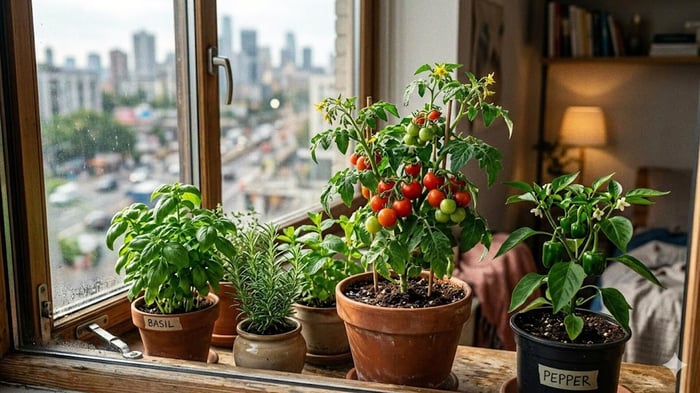
The most common method in most apartments is container gardening. This method involves using pots, grow bags, and planters to grow on your patio, balcony, or rooftop – ideal for spaces where in-ground planting isn’t possible. This method can also be beneficial if your space doesn’t receive a lot of direct sunlight. You can move containers around to follow the sunlight and also reposition them if wildlife is able to access them too easily
Gardeners often applaud this method for the level of control it provides. You can tailor the soil, install proper drainage systems, and isolate plants more easily, which may be key if you have contaminated soil.
Raised Beds and Modular Garden Layouts
Raised beds can be the perfect blend between in-ground gardening and container gardening, especially in spaces where you have more space available, but you want to be able to move the beds periodically. Because most raised beds have open bottoms, they have better drainage, which assists in plant growth, and they can also warm up faster in the spring, which can extend your growing season.
Rooftop, Balcony, and Micro-Garden Options
Urban gardening is also notorious for its use of gardens in non-traditional spaces like rooftops, balconies, and small side yards. These micro-garden environments can easily turn into a luscious space as long as you strategically plan by:
- Using windbreakers to protect plants: If your garden is located at a higher elevation, such as a rooftop or balcony garden, it may be more prone to wind damage. Windbreakers can block strong gusts, keeping your plants grounded.
- Improving irrigation access: Some of these spaces may not always be conducive to regular watering. If you utilize drip irrigation, self-watering planters, or compact crops, you can reduce your reliance on regular watering.
- Factoring weight limits: Many balconies, rooftops, and decks can only hold a certain amount of weight per square foot. To keep the space intact, it’s vital you factor in how heavy your planters — including the soil, plant, and retained water — can be. This will keep you and your plants safe.
As long as you design the space thoughtfully, even the smallest space can provide the best plants.
 Community Gardening Models for Urban Areas
Even with the aforementioned space-saving gardening methods, gardening in your own space may not be possible. However, don’t give up on gardening yet. There may be a community garden just around the corner. These spaces are often located in parks, vacant lots, school grounds, or church yards that want to give back to the community.
Beyond providing a space for gardeners to enjoy, community gardens can improve food insecurity by aiding in local food pantries. It can also be a space where people can build ties with their neighbors — something that has become increasingly essential due to a rise in feelings of isolation.
Shared-Lot and Cooperative Gardens
In some cases, a community transforms a shared piece of land and turns it into a cooperative effort that brings neighbors together. In these circumstances, anyone involved can share access to the tools and garden itself while sharing responsibilities of planting, harvesting, and maintenance. This method will often yield more food than gardeners can make alone.
Cooperative gardens also reduce the overall financial burden and labor on individuals. Since it’s shared, it’s often a more accessible way to enter gardening. These gardens also attract seasoned veterans and newbie gardeners alike, enabling all neighbors to share their knowledge and spread community spirit.
School, Church, and Municipal Garden Programs
If you don’t have the funds to share in a cooperative garden, you can also participate in a community garden that’s funded and created by a school, church, or city program near you. These kinds of programs also encourage community members to learn more about nutrition and science while connecting with local food assistance programs.
These programs also frequently partner with local nonprofits, public health organizations, and philanthropic efforts. As a result, community members can have access to free and nutritious food without worrying about the funds that will go into it.
Protecting Urban Gardens From Wildlife—Humanely and Effectively
Even in the heart of the city, your garden could still be at risk of getting damaged by local wildlife. City-dwelling wildlife are resilient creatures. Many species have learned that by adapting alongside humans, they can find a reliable food source. To keep your garden from becoming a potential food source for the animals around you, wildlife protection should be a priority from the start, not an afterthought.
While some gardeners turn to traps, toxins, and other harmful methods, these methods can harm local ecosystems and even pose a danger in community gardens. Instead, ethical, non-lethal methods can protect your garden while preserving local ecosystems. For example, physical barriers can be one of the best approaches, as they bar any animals from accessing your garden in the first place. Common barriers include:
All of these approaches prevent birds, mammals, and other pests from climbing into your garden without causing injury or entanglement. In addition, repellants can be a practical approach as long as you prioritize non-toxic, plant-based, or scent-based repellants. These repellants use things like predator urine or essential oils to scare away wildlife from feeding on your garden. They also don’t rely on toxic chemicals that could leak into local waterways, endangering your local ecosystem and your neighborhood.
You’ll also want to remove any potential attractants as soon as possible. This includes using secure compost bins, removing fallen fruit, and avoiding bird feeders near your garden. With these actions, you can better protect your garden while co-existing with local wildlife.
Plan a Small Urban Garden With Wildlife in Mind
While some gardeners won’t pursue wildlife protection until they start seeing signs of infringement, it may be too late if you wait until this point. Instead, considering wildlife in your area should be a key aspect during your planning phase. This will involve everything from avoiding highly desirable plants to only using vertical gardening structures that could fit inside a net. By thinking about wildlife from the start, your garden will be easier to maintain, more productive, and far less likely to become a source of dinnertime for local wildlife.
At the end of the day, urban wildlife is just as integral to city life as the people who inhabit it. As much as urban gardening involves getting involved in your community, it also involves getting closer to nature. Participating in it thoughtfully will not only benefit you, but it’ll benefit the people and animals around you.
Resources for Urban Gardening
If you’re interested in more information about urban gardening or humane wildlife prevention methods, check out these resources:
University Extension and Urban Horticulture Programs
- University of California Cooperative Extension – Center for Landscape and Urban Horticulture: This program offers research-backed resources on home gardening, urban food production, soil health, and sustainable landscape practices explicitly designed for California’s diverse urban environments.
- Clemson University Extension – School and Community Gardening: Clemson Extension provides educational materials on starting and managing community and school gardens, including guidance on small-space gardening, crop selection, and garden planning.
Community Gardening and Food Access Organizations
- American Community Gardening Association (ACGA): ACGA supports community gardens and urban agriculture programs through education, networking, and advocacy. Its resources help gardeners, nonprofits, and municipalities establish and sustain shared growing spaces.
- USDA Urban Agriculture and Innovative Production Program: This USDA initiative provides information, grants, and technical assistance to support urban farming, community gardens, and food access projects in cities and suburbs.
Wildlife Coexistence and Humane Garden Protection Resources
- U.S. Fish and Wildlife Service: The USFWS provides educational resources on wildlife conservation, habitat protection, and responsible human–wildlife interactions.
- DeerBusters: DeerBusters offers educational resources on humane, physical wildlife exclusion methods designed to protect gardens in both rural and urban settings, with an emphasis on space-conscious solutions suitable for small lots.